Reimagined Learning Environments: Renovation of the second and third floors transformed traditional spaces into dynamic academic settings that inspire collaboration and innovation.
Flexible, Tech-Enabled Classrooms: Designed to support hybrid learning and interactive instruction through adaptable layouts and integrated technology.
Cutting-Edge Laboratories: New state-of-the-art labs equipped to advance research, experimentation, and discovery.
Accessibility and Modernization: Comprehensive upgrades to improve accessibility, comfort, and interior aesthetics throughout the facility.
Sustainable Design: Incorporation of energy-efficient systems and environmentally responsible materials to enhance long-term performance.
Preserved Architectural Character: Careful restoration maintained the building’s historic charm while introducing modern finishes and functionality
Dallas, Texas
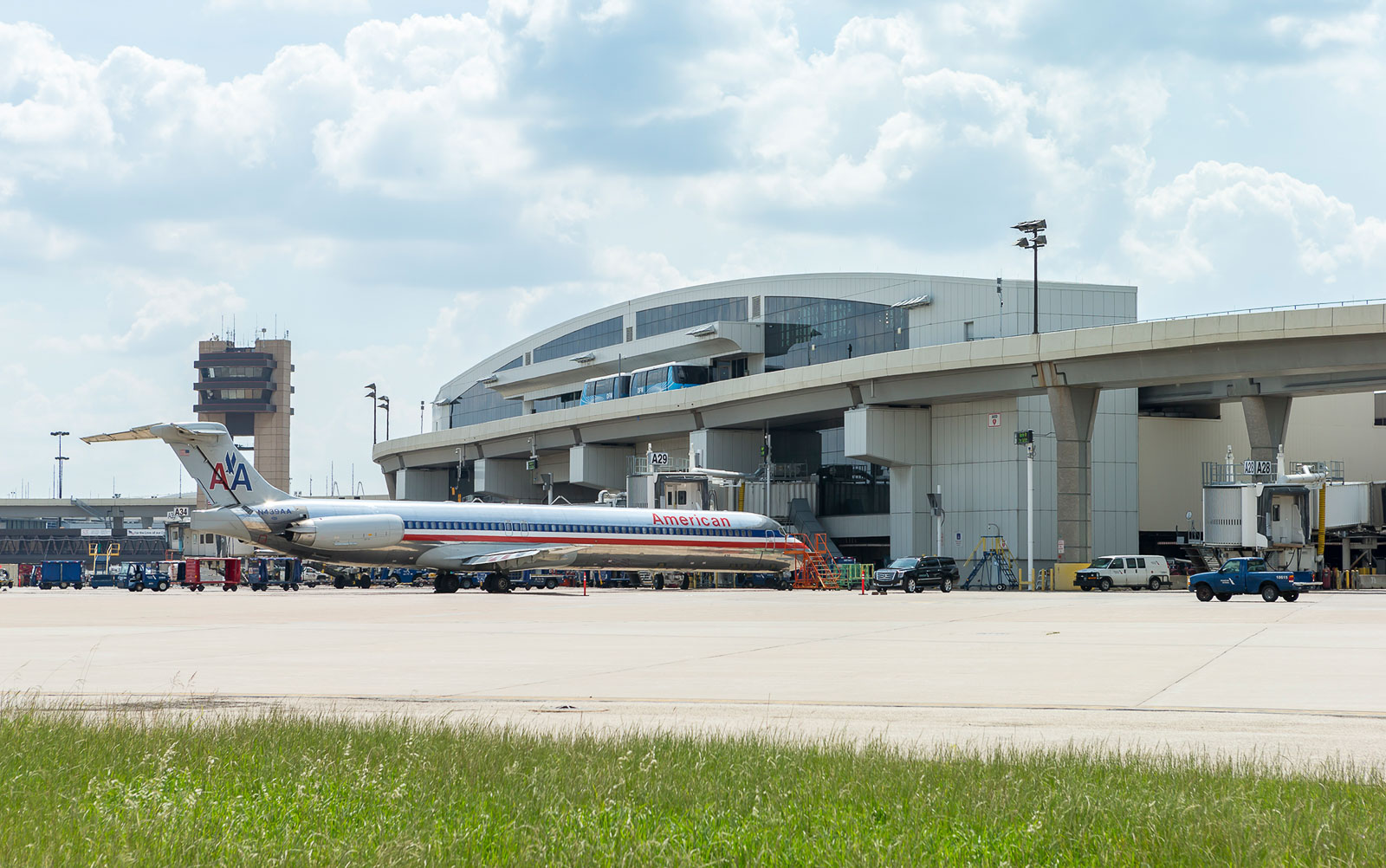
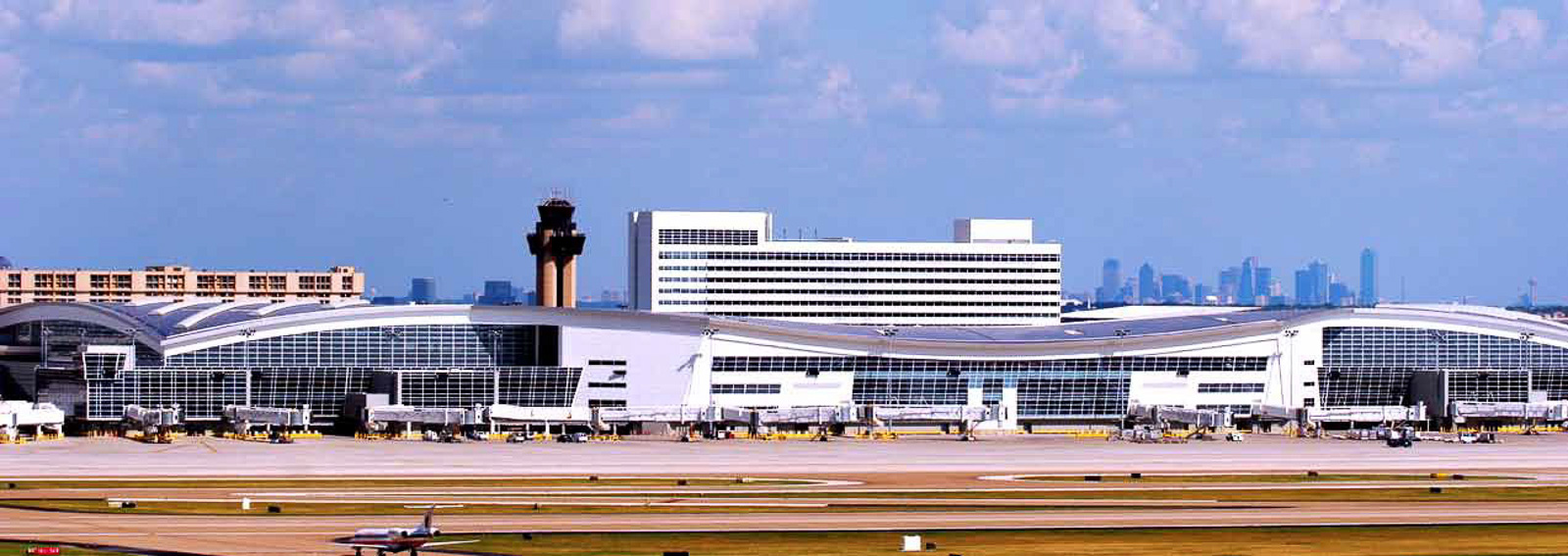
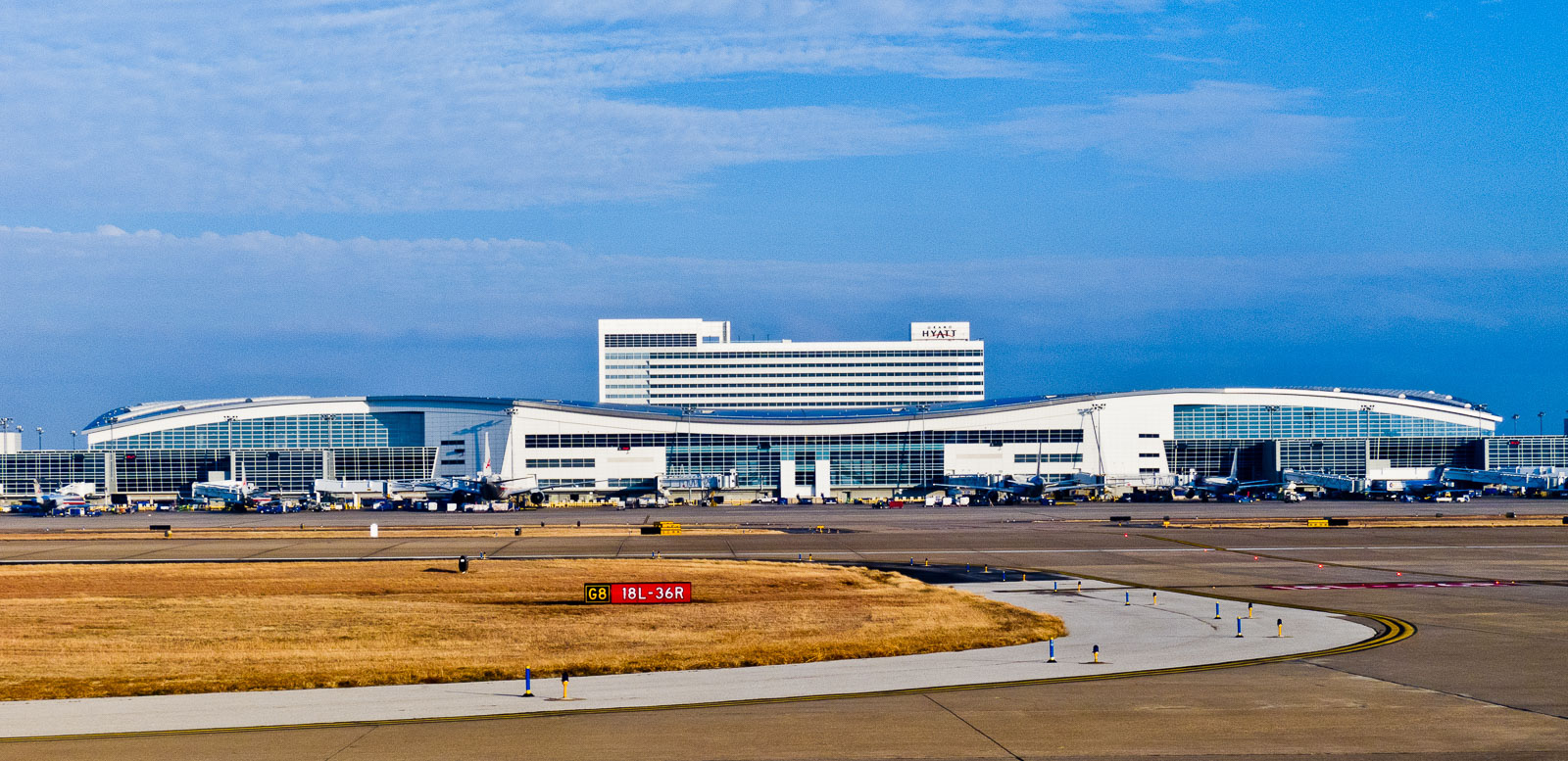
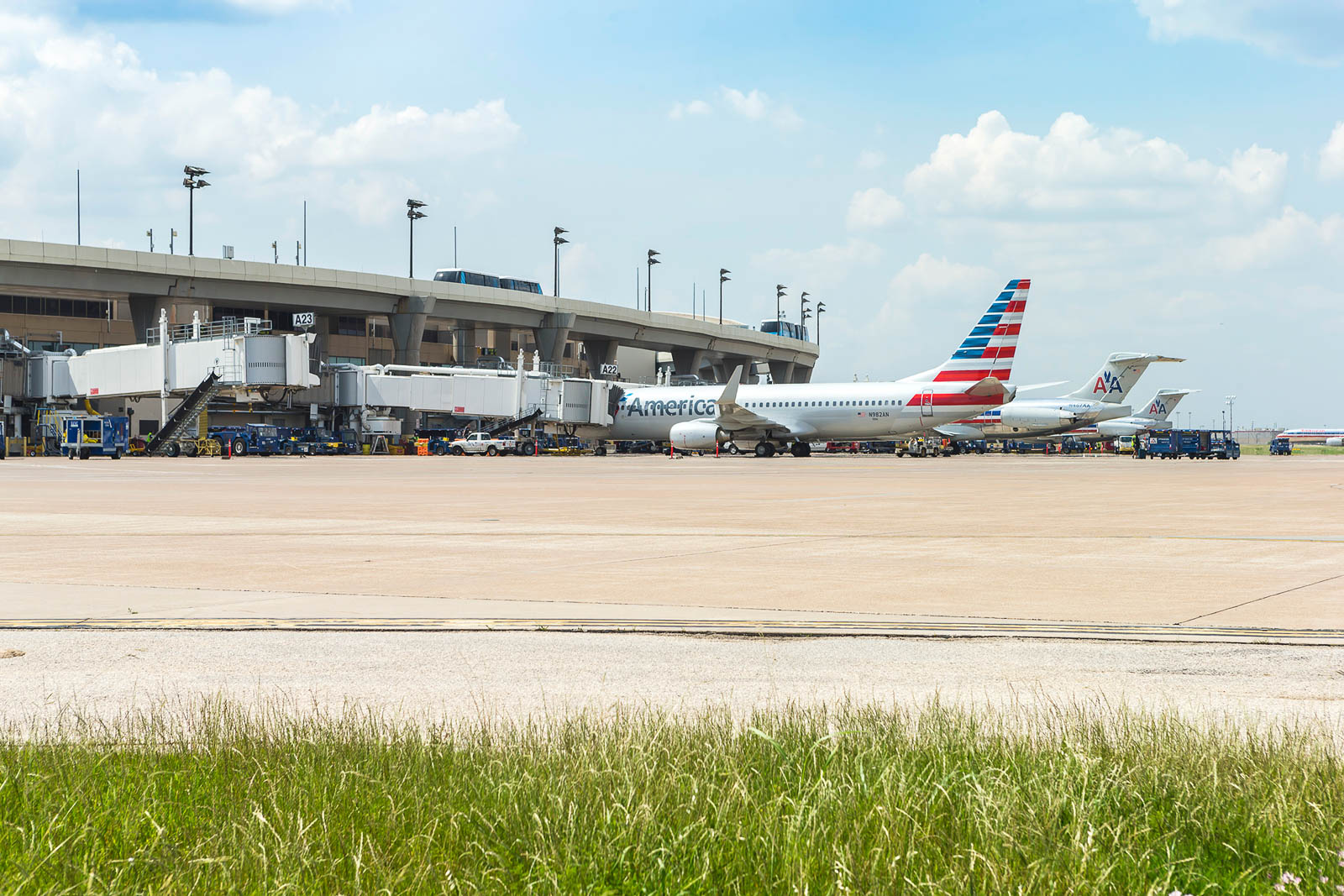
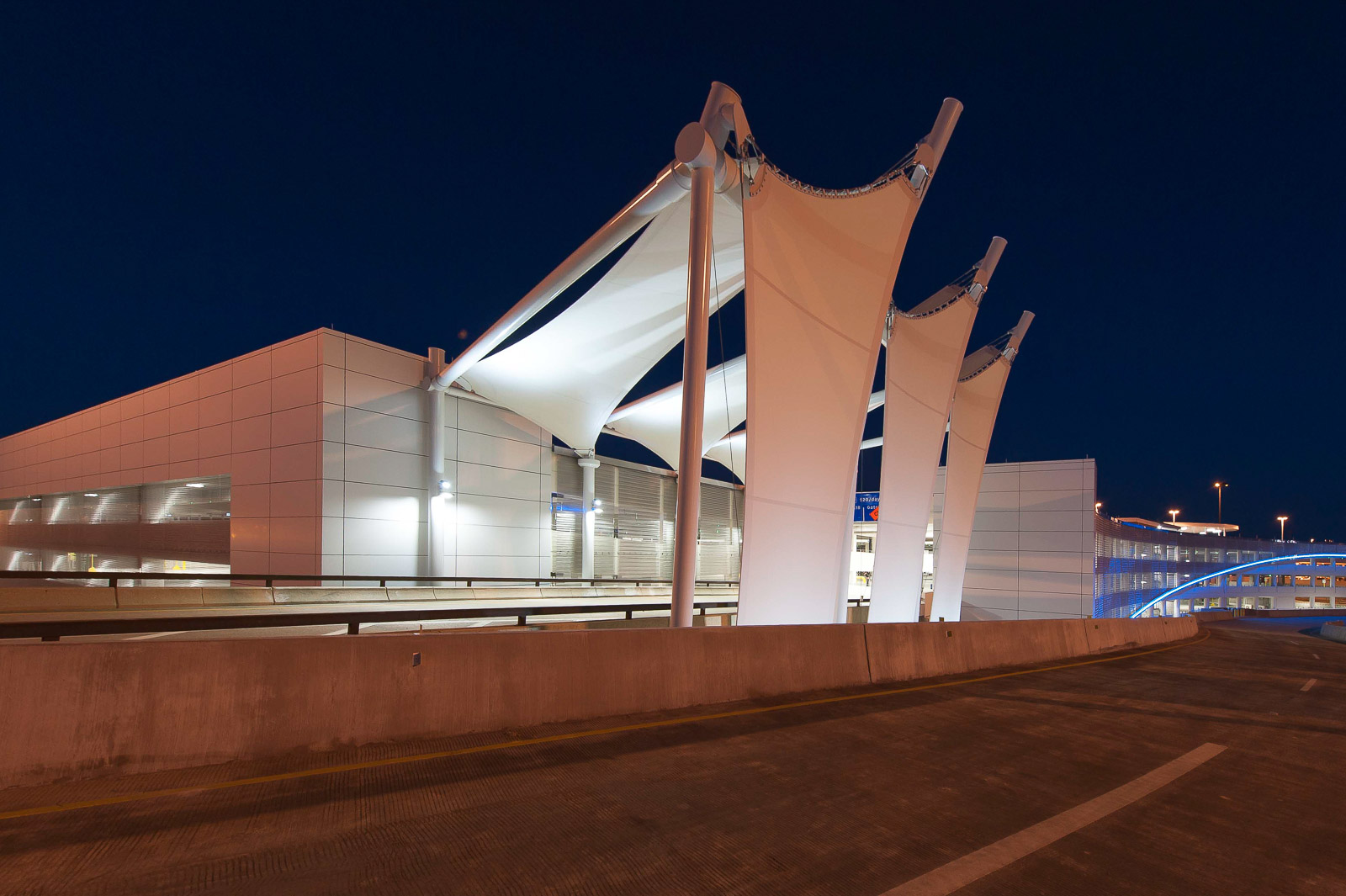
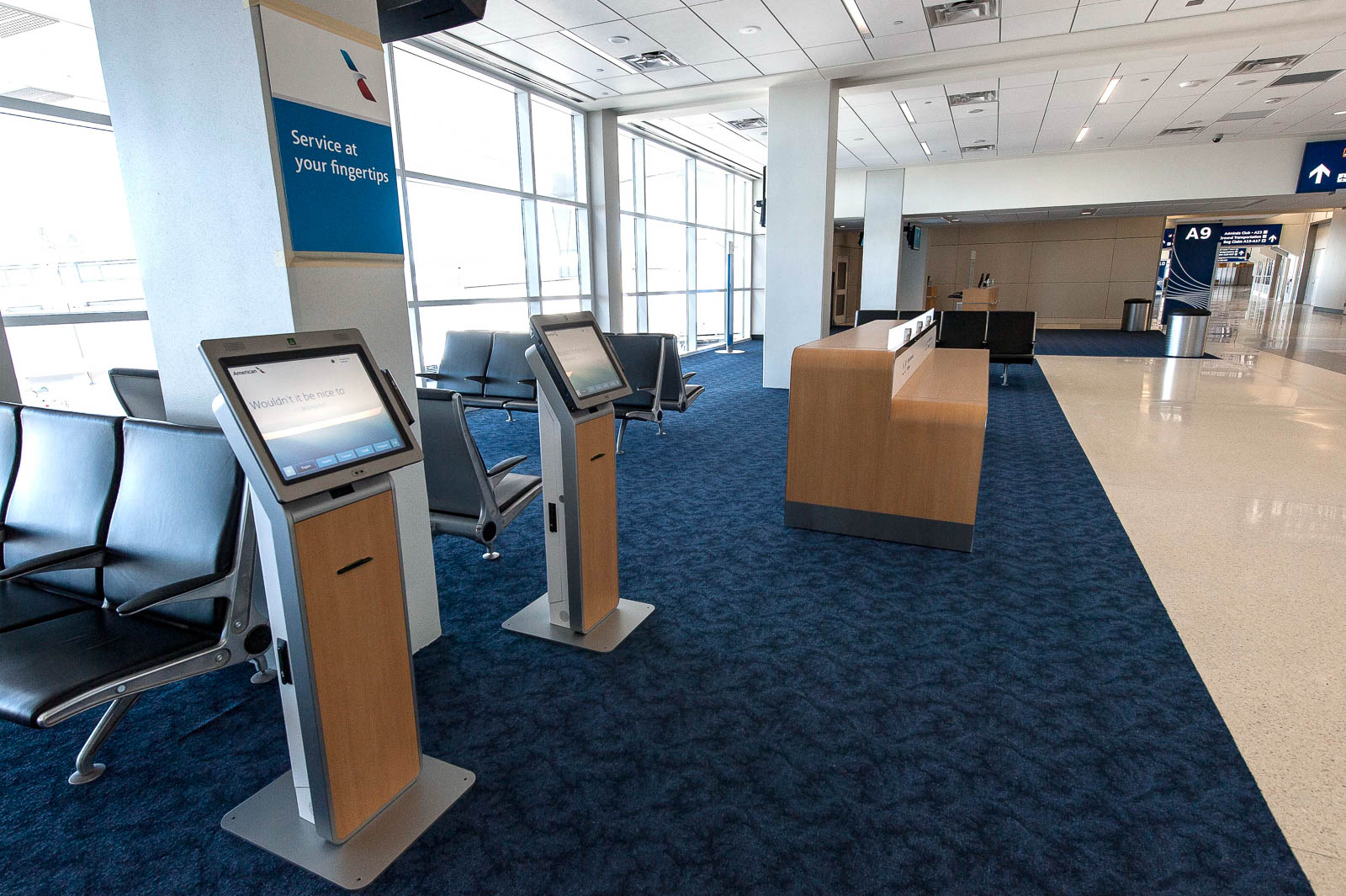
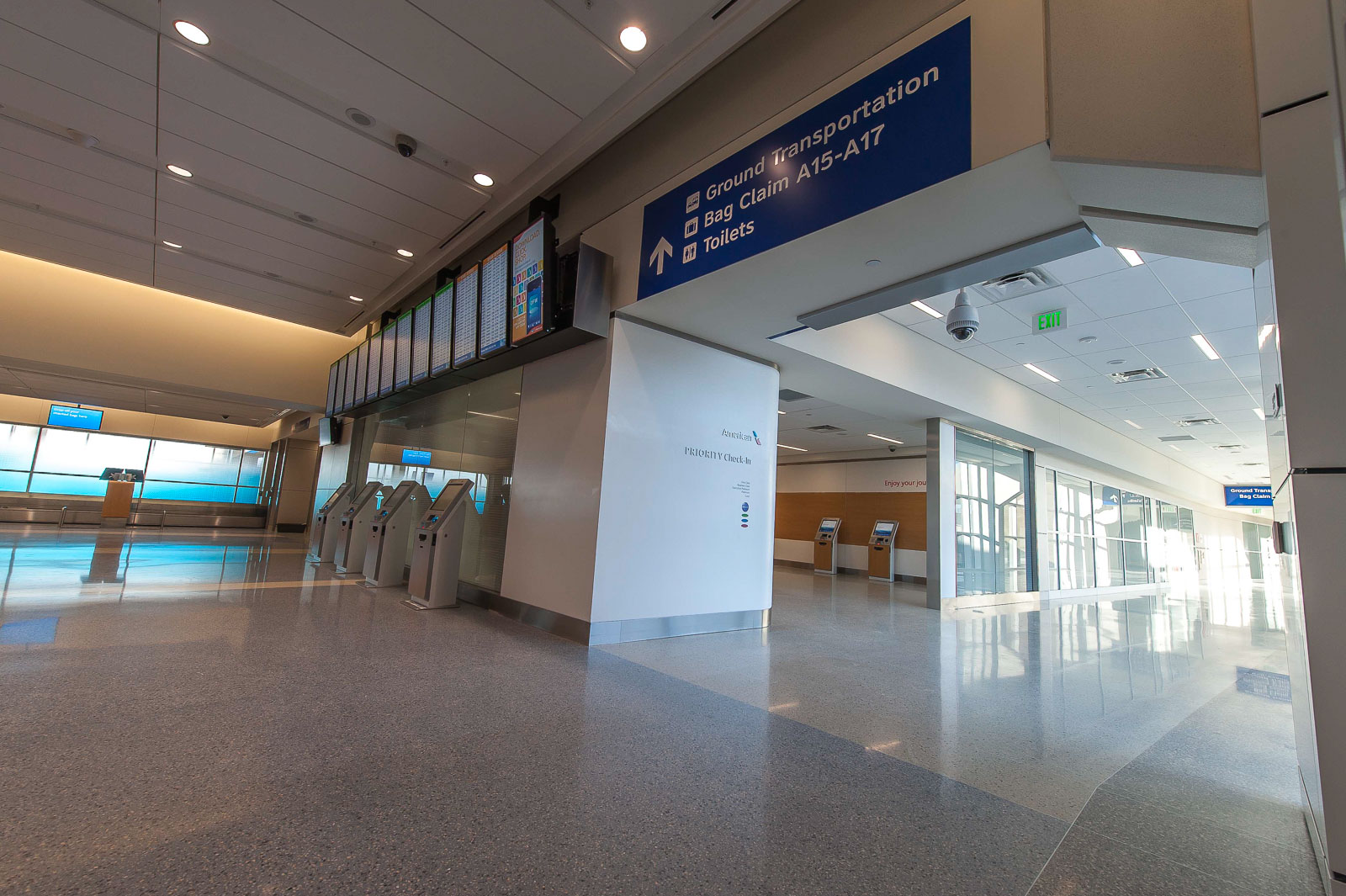
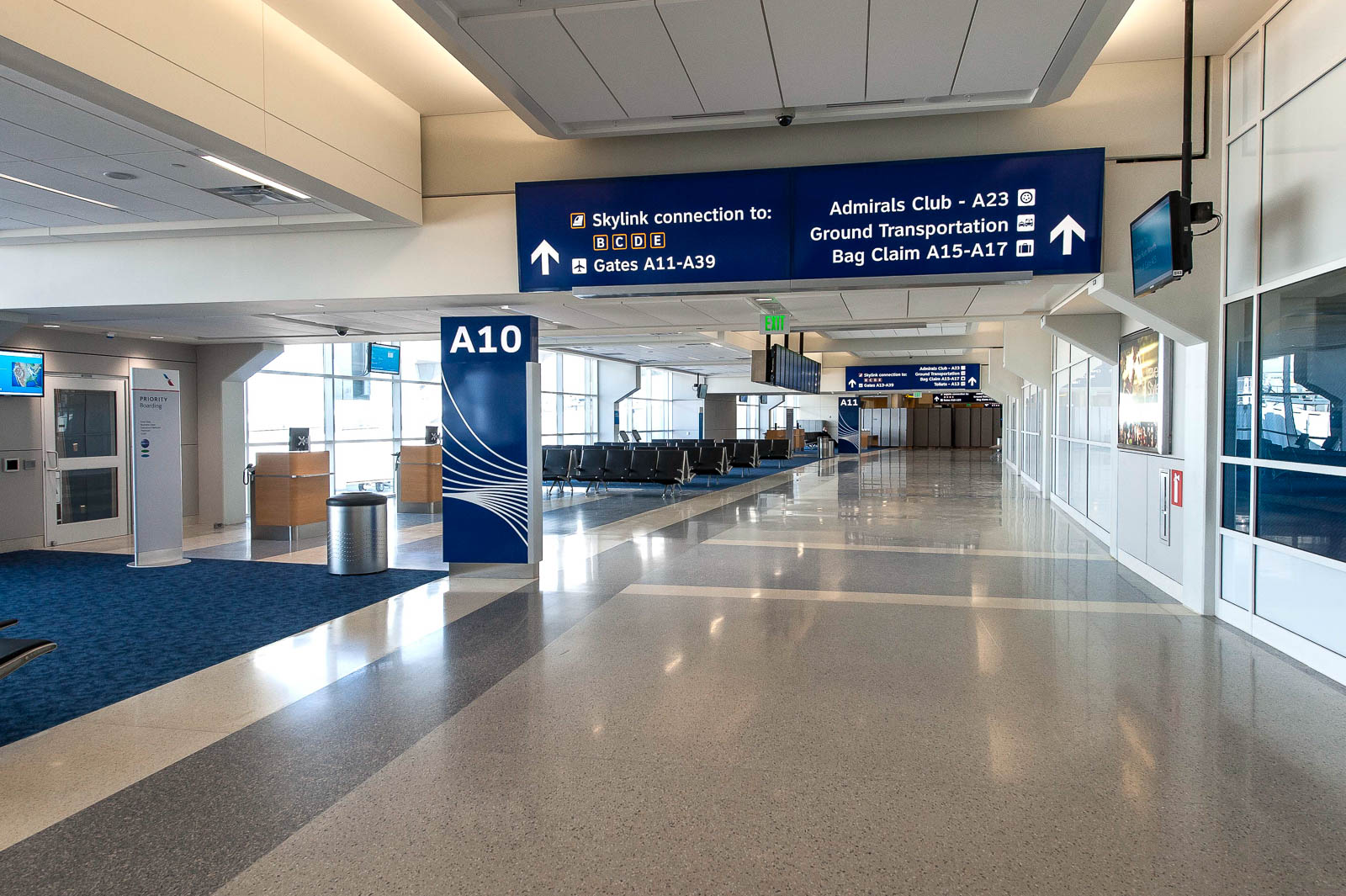
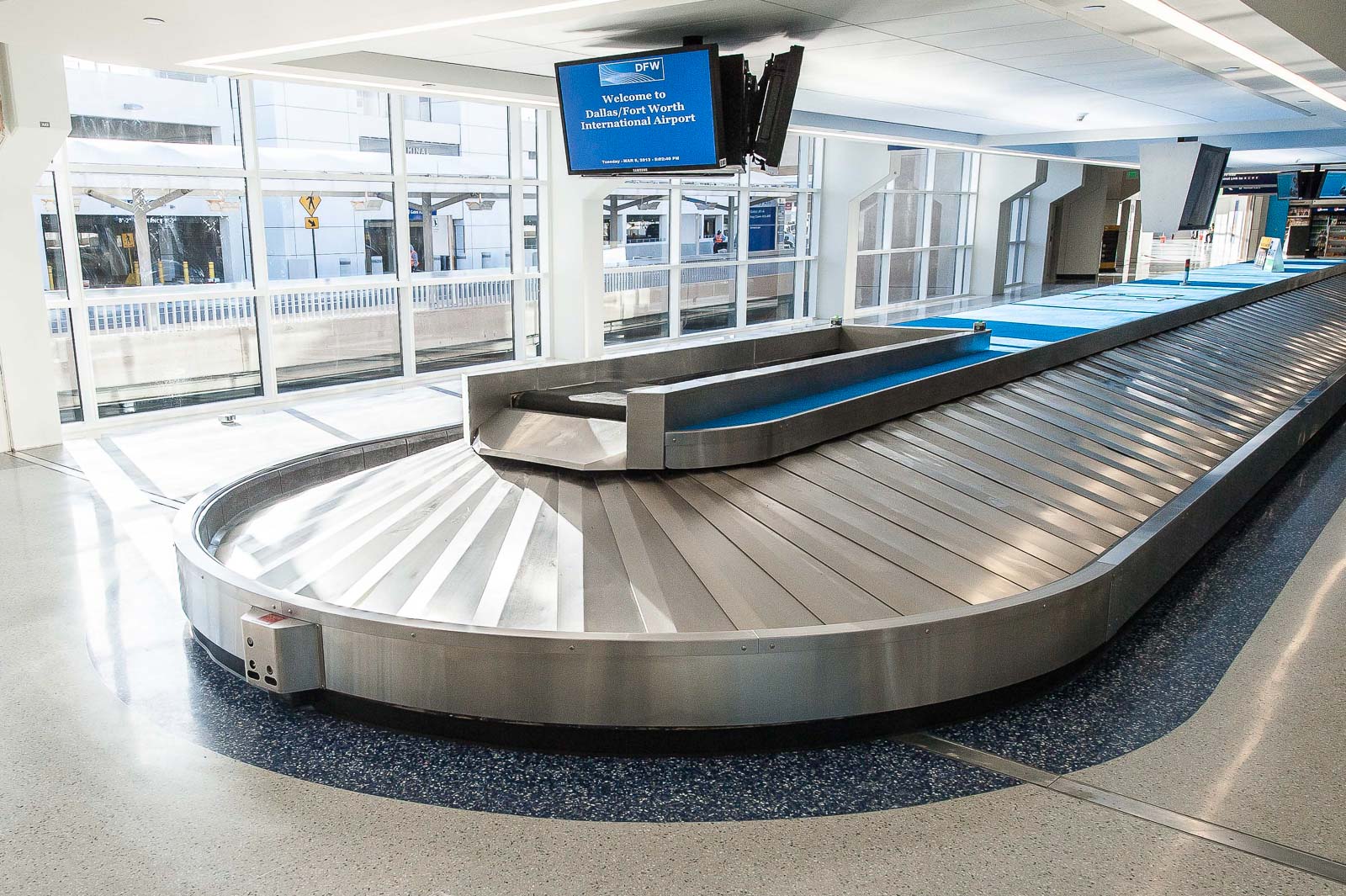
As partner of a joint venture with Balfour Beatty, Azteca and CARCON (BARC), Russell provided construction management at-risk services to Dallas/Fort Worth International Airport (DFW) for the Terminal Renewal and Improvement Program (TRIP). The project was a complete renovation of over 2,000,000 sq. ft. in Terminals A and C, construction of the New Dallas Area Rapid Transit (DART) and Fort Worth T train stations, and a new 7,800-car parking structure with smart park technology.
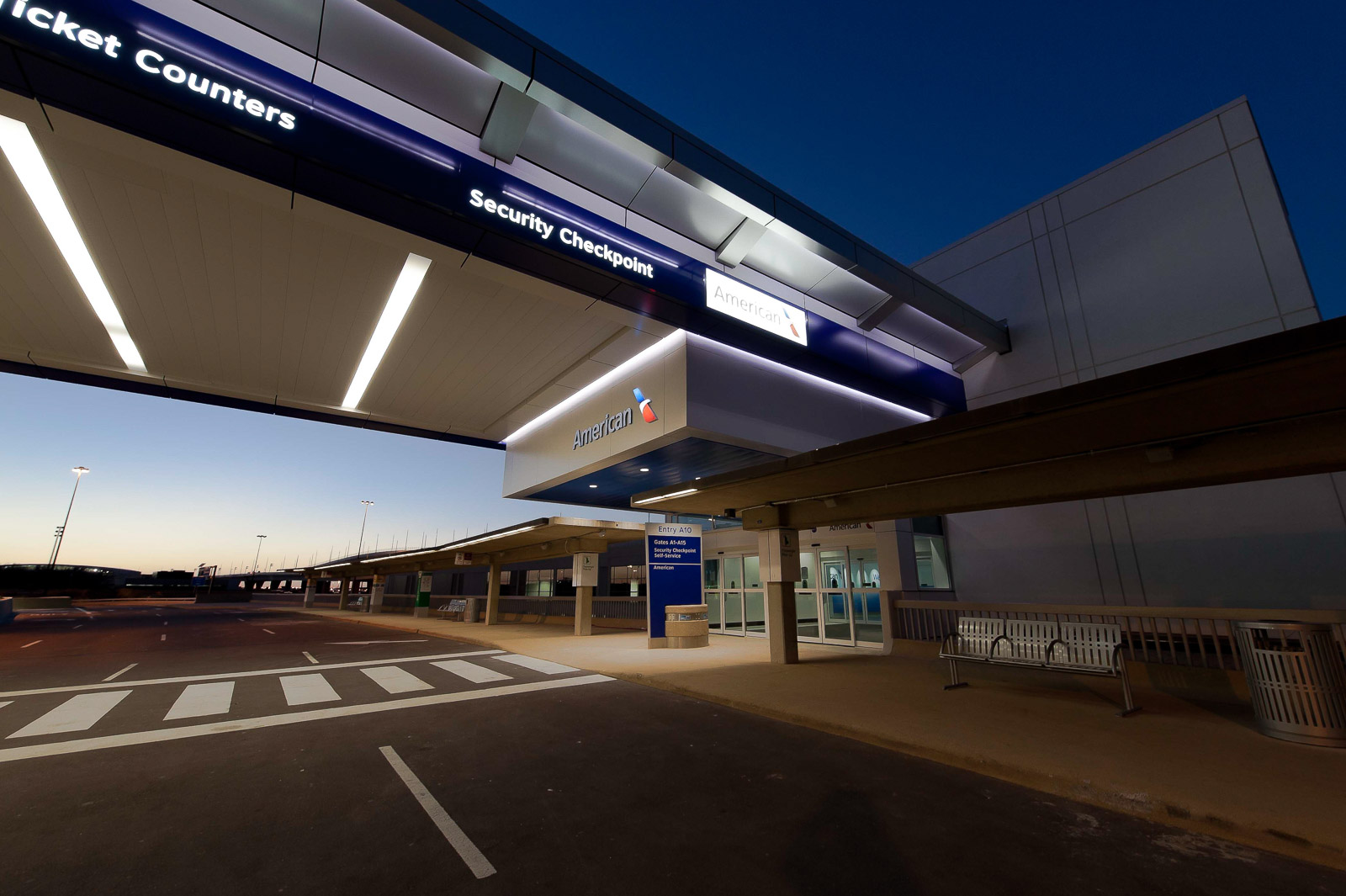
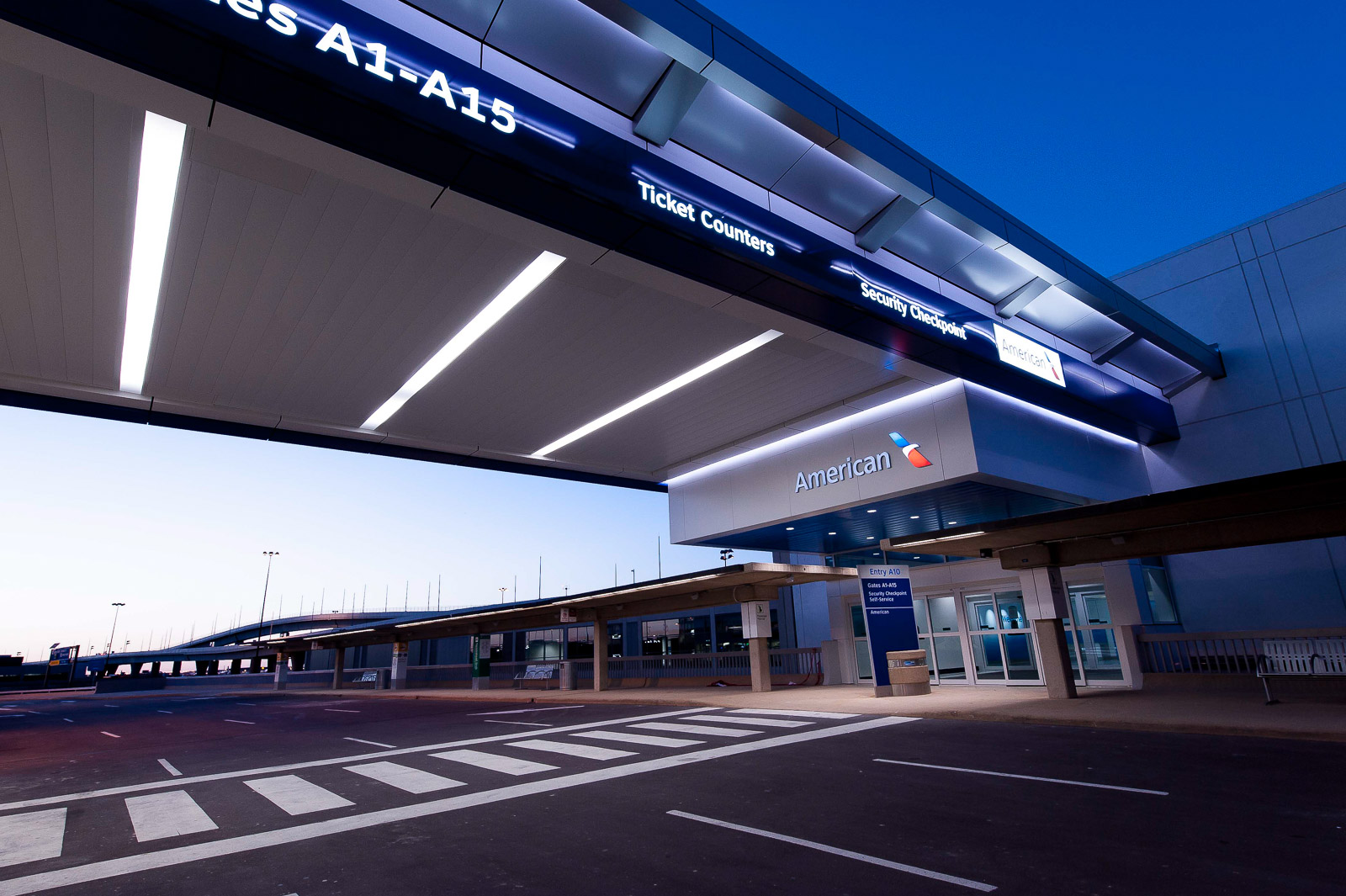
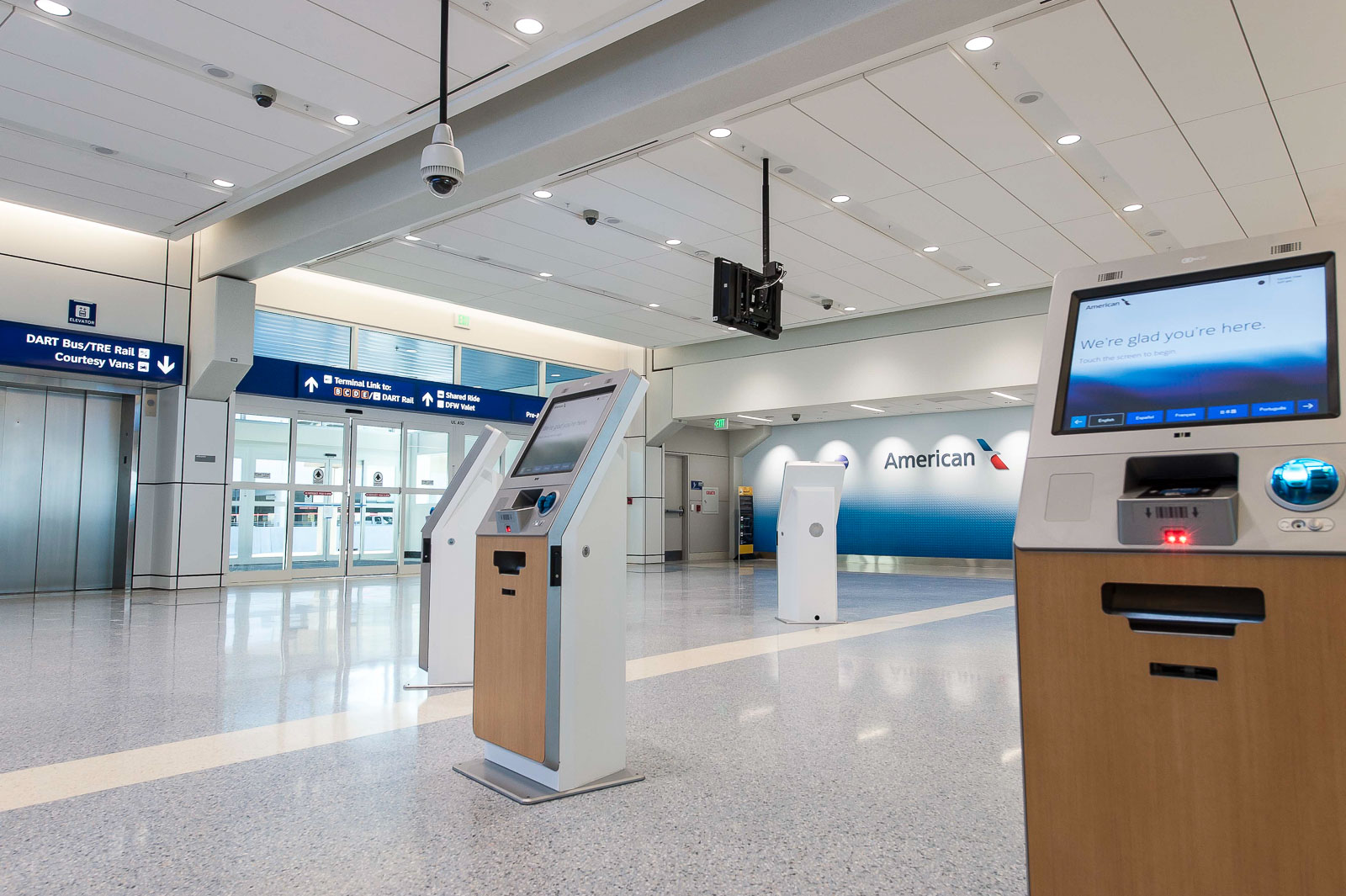
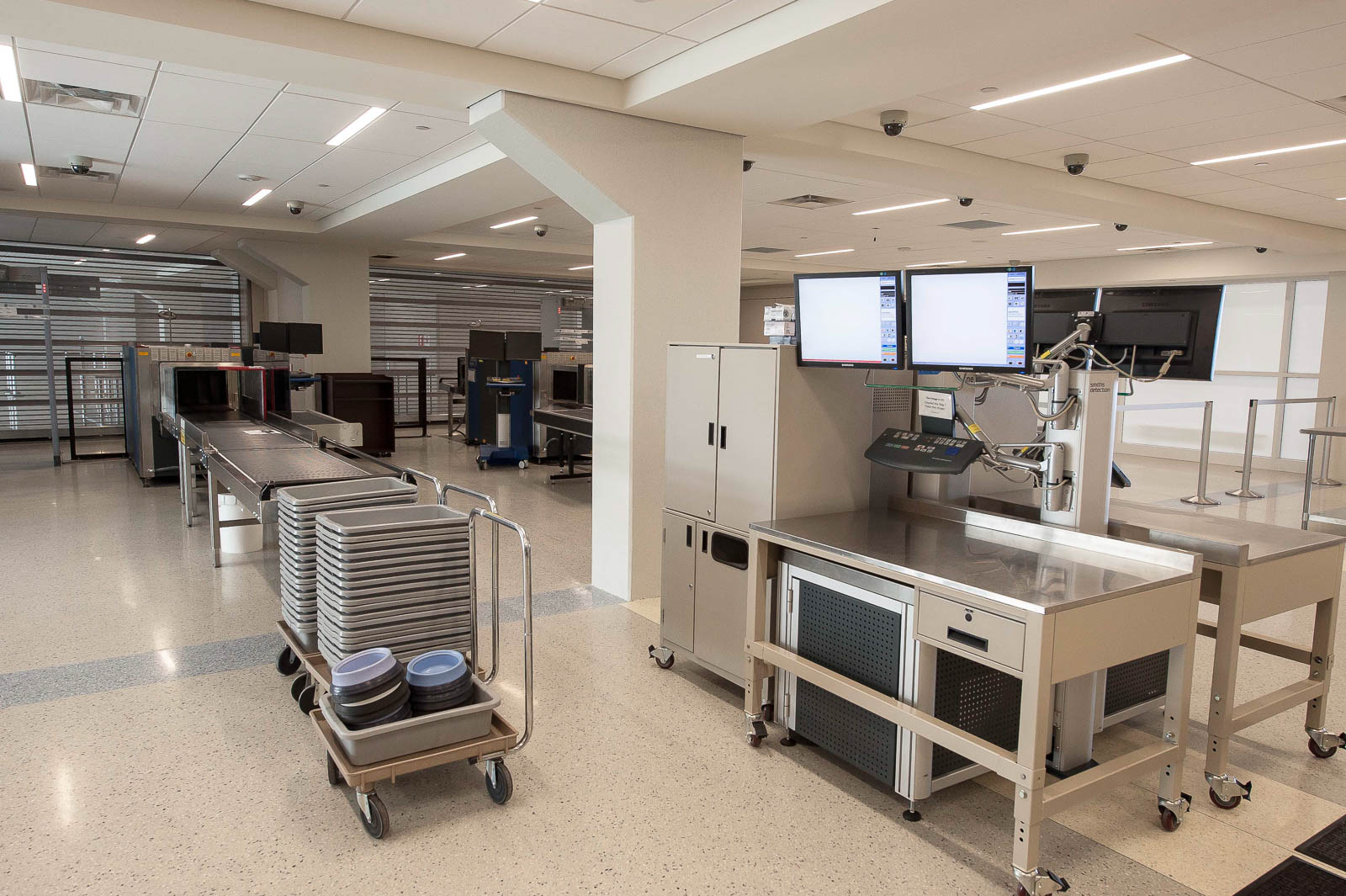
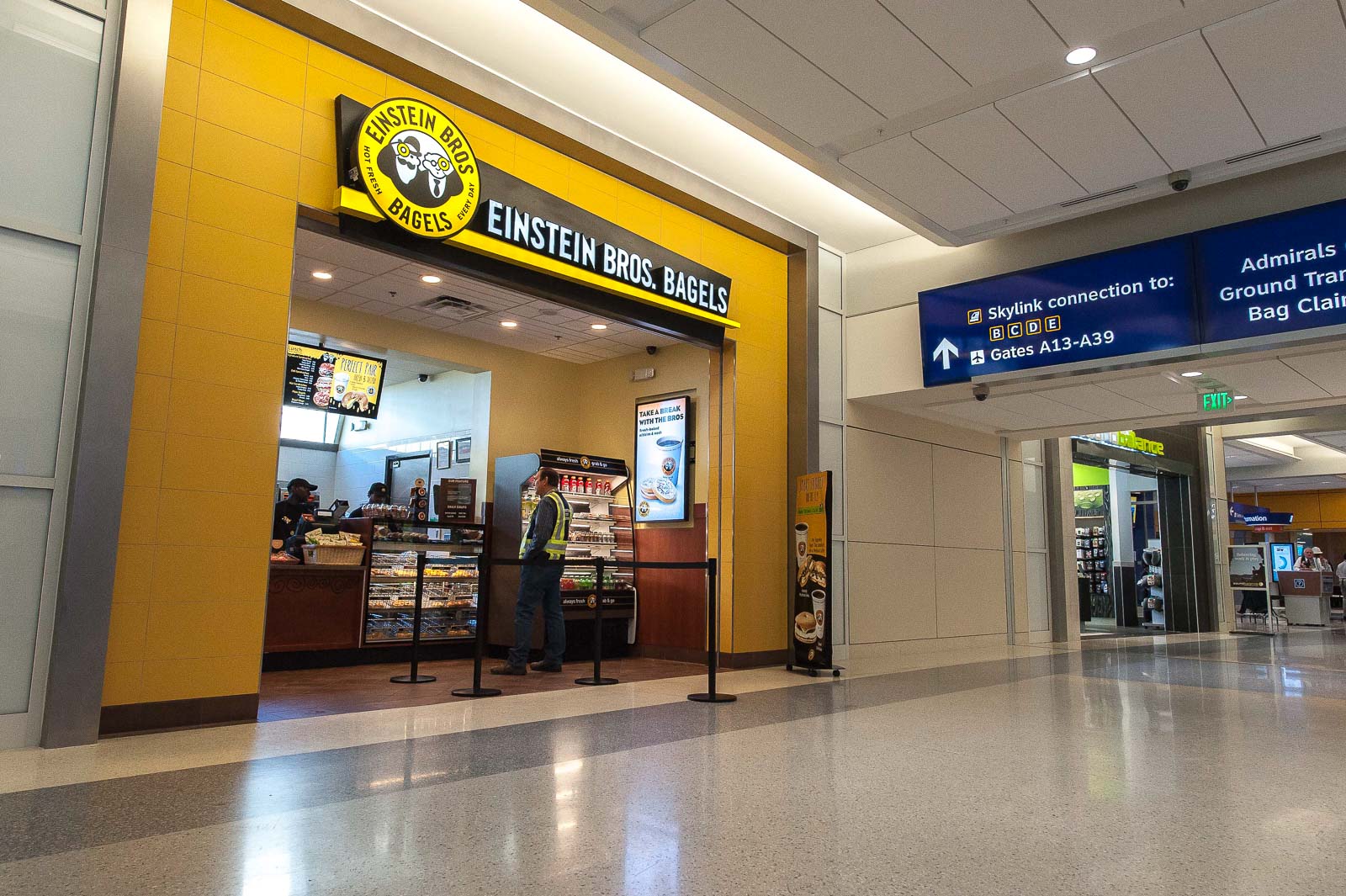
The team completely disassembled the terminals and replaced the interior mechanical, electrical, plumbing, baggage handling, security, IT and fire protection systems. The exterior glazing was replaced with energy-efficient window walls and the interior finishes include terrazzo floors, glass security walls and redesigned passenger security check points. New concessionaires fill newly designed spaces to offer a variety of food, shopping and publication choices.
The BARC team mobilized early in the planning and schematic design phase providing site investigations, program scheduling, estimating and constructability review. Phased construction started on the north third of Terminal A and proceeded to the remaining sections. Once terminal A was completed, construction commenced on Terminal C.
DFW Airport, as part of its sustainability initiative, included recycling of wood, copper, stainless steel and other ferrous metals in its construction plan. The wood went to Living Earth, and the ferrous and nonferrous metals went to a separate recycling company. Approximately 1.5 million pounds of copper was salvaged from Terminal A. The recycling and sale of the copper resulted in substantial money returned to the airport.

The construction was phased to enable the full operation of DFW and its airlines. A base services contract was executed in early 2010, with supplemental agreements (SAs) issued for specific scopes of work. Some SAs completed were:
Russell’s leadership team specializes in transit, aviation, and roadway programs that improve mobility and safety. Their leadership keeps projects on schedule and enhances the daily experience for travelers and communities.
Building better transit, aviation, and roadway infrastructure. Connect with our team to move your project forward.